



Summary
Yes. QuickBooks Online has a native Late fees setting under Settings, Account and settings, Sales: turn it on, choose a flat amount or a percent, an optional grace period and a frequency, and QuickBooks adds the fee to overdue invoices automatically as a line item. It does not email the updated invoice to the customer on its own.
- The gap: The fee posts to the invoice, but nobody is told unless you send a reminder or resend the invoice manually.
- The cap: QuickBooks applies late fees for up to six months overdue, and only to invoices that fall overdue from the day after the setting is turned on.
- The fix: Paidnice applies the fee and emails the customer automatically, with flat, percent or compounding interest options and a full audit trail in QuickBooks Online.
How do you add a late fee in QuickBooks Online?
QuickBooks Online has a native Late fees setting that calculates the fee and adds it to each overdue invoice as a line item once you turn it on. Intuit's steps:
- Go to Settings (the gear icon) and select Account and settings.
- Select Sales, then Edit in the Late fees section.
- Turn on Default charge applied to overdue invoices.
- Enter an Amount and/or a Percent (%).
- Pick a Frequency: how often the fee is charged.
- Optionally set a grace period in days and rename the default line item, then Save.
QuickBooks creates an Other Income account called Late fee income, and calculates a percent fee on the invoice's due amount including sales tax, shipping and discounts. A different rule for one customer is set from that customer's Late Fees tab in the Customer Hub. Automatic late fees are a US feature of QuickBooks Online: QuickBooks Online in Canada, the UK, Australia and other regions has no native late fee setting. Our analysis of whether late fees work covers fixed against percentage fees.
Add a fixed fee. About 8 in 10 fixed late fees get paid. Only about 6 in 10 percentage-based fees do, and percentage fees are the ones waived most often.
Does a QuickBooks Online late fee notify the customer?
No. QuickBooks Online adds the late fee to the overdue invoice but does not email the customer or tell them a fee was applied. Intuit's help article states that QuickBooks will not automatically email the invoice on your behalf, and recommends invoice reminders or a manual resend so the customer knows the balance changed.
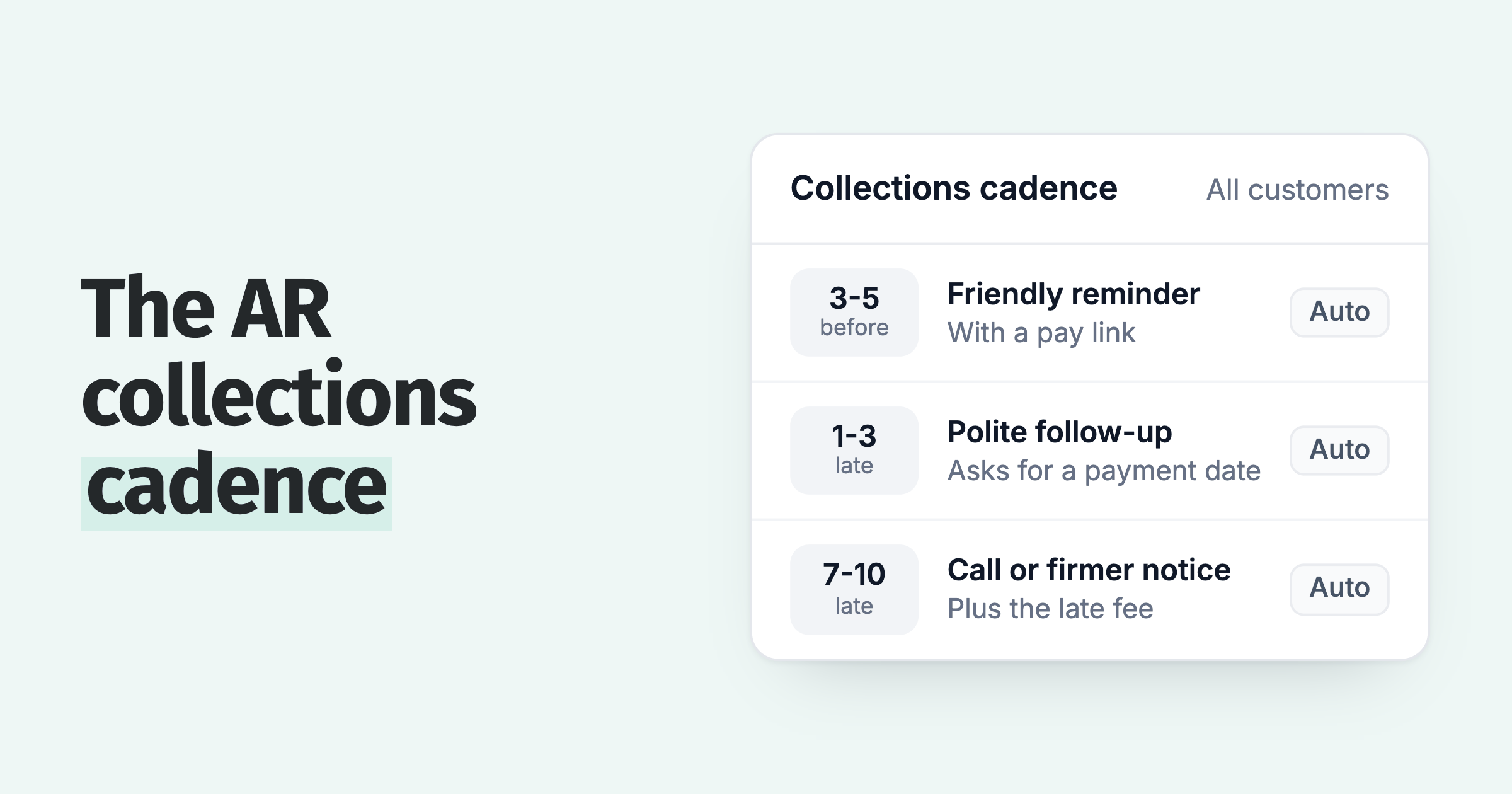
A fee the customer never sees does not change their behaviour. A reminder that names the coming fee gives them the chance to pay first, and a notice when it lands prevents the dispute later. QuickBooks Online's reminders cannot name the fee amount, so the customer has to open the invoice to find it.
Is there a limit on how far back a QuickBooks late fee applies?
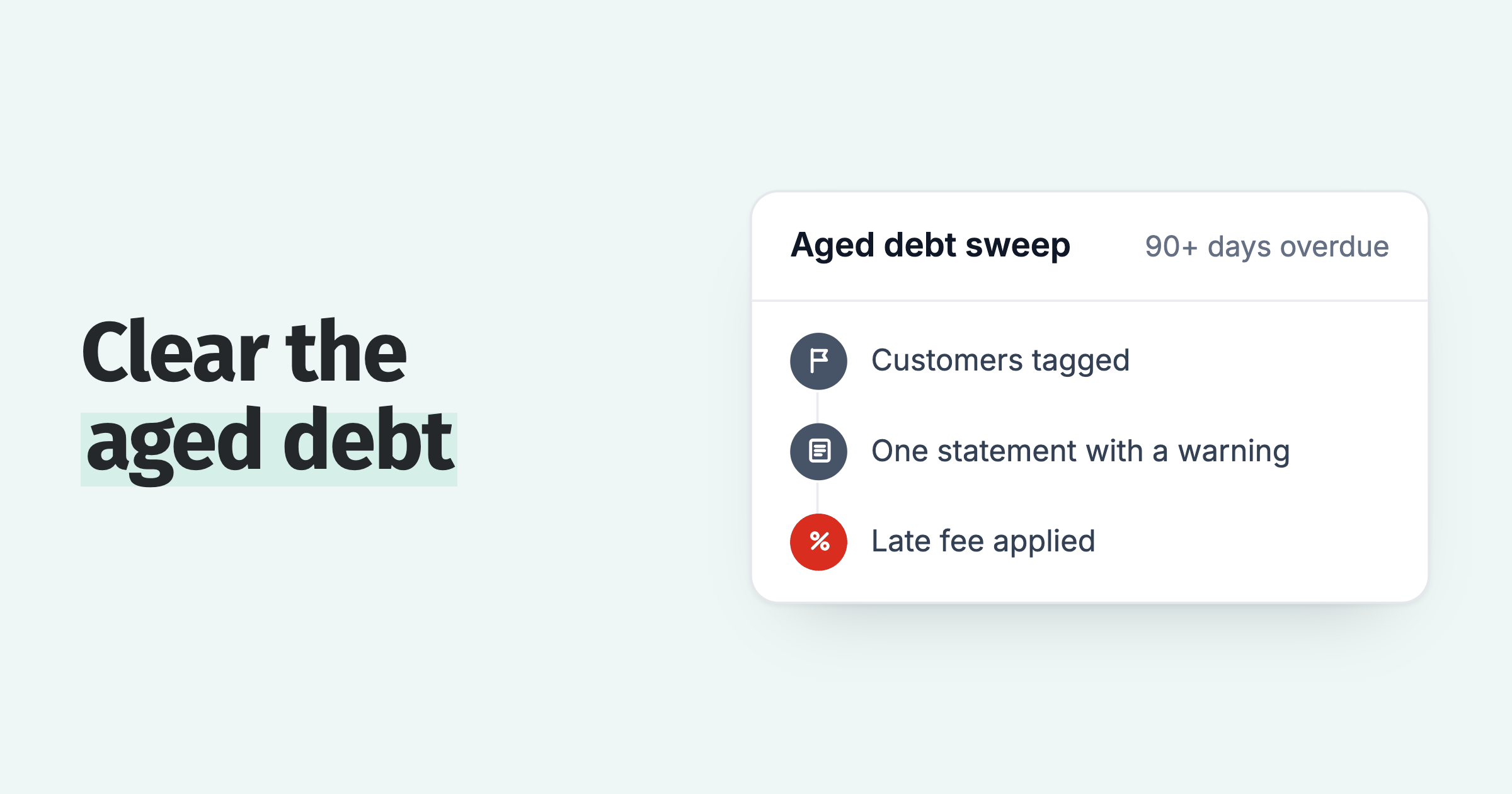
Yes. QuickBooks Online adds late fees to overdue invoices for up to six months, and only calculates fees from the day after the setting is turned on. Invoices already overdue when you switch it on, or more than six months past due, need the fee added manually as a line item.
What can't the native QuickBooks Online late fee setting do?
The native QuickBooks Online late fee setting applies one flat or percent rule, cannot compound interest on a growing balance, cannot email the customer, and cannot exclude one disputed invoice without turning fees off for that customer. Paidnice, an accounts receivable automation app for QuickBooks Online, covers each of those.
| Capability | QuickBooks Online Late fees | Paidnice |
|---|---|---|
| Fee type | Flat amount and/or percent | Flat, percent, or interest per annum prorated daily |
| Compounding on unpaid fees | No | Yes, on by default, with a simple-interest toggle |
| Tells the customer | No | Emails the fee notice and names it in reminders |
| Different rules per customer group | Per customer, set one at a time | One policy per customer group, all running at once |
| Exclude one disputed invoice | No | Yes, by invoice reference |
| Back-dated invoices | Not before the setting is on, six-month cap | Applied in bulk to invoices already overdue |
Every fee Paidnice raises sits on the ledger in QuickBooks Online as a Draft or Approved invoice, so the books stay accurate. If you want interest that accrues over time rather than a one-off fee, the setup is covered in how to apply finance charges in QuickBooks Online. To run late fees with the reminders and notices that make them work, try Paidnice free, no card needed.
Paidnice features in this article
About the editorial team
Denym started Paidnice in 2022 after customers paying late left his own business short on payroll. He has led it to $1 billion collected on time across more than 1 million invoices, and writes about credit control, late fees and getting paid on Xero and QuickBooks.
Ashley is a co-founder and lead developer of Paidnice and has built accounting software for more than 10 years. He builds the ledger connections that put reminders, late fees and payments into Xero, QuickBooks and ERPs such as NetSuite and Business Central. Before Paidnice he co-founded A2X, ecommerce accounting software for Xero and QuickBooks.
 App of the Year
