


Summary
QuickBooks Online invoices go to spam because they send from Intuit's domain ([email protected]), not your business domain, so the receiving mail server cannot match the sender to you through SPF, DKIM and DMARC. Intuit's fixes are allowlisting and resending. The durable fix is to send invoices and reminders from your own authenticated domain through a connected app.
- The cause: A sender-domain mismatch and missing authentication records for your domain, not the volume of email Intuit sends.
- The quick fix: Ask the customer to move one invoice out of spam and add [email protected] and [email protected] to their contacts.
- The durable fix: Verify your domain once in Paidnice (Pro plan) and every invoice, reminder, statement and fee notice sends as your business, not as Intuit.
Why do QuickBooks invoices go to spam?
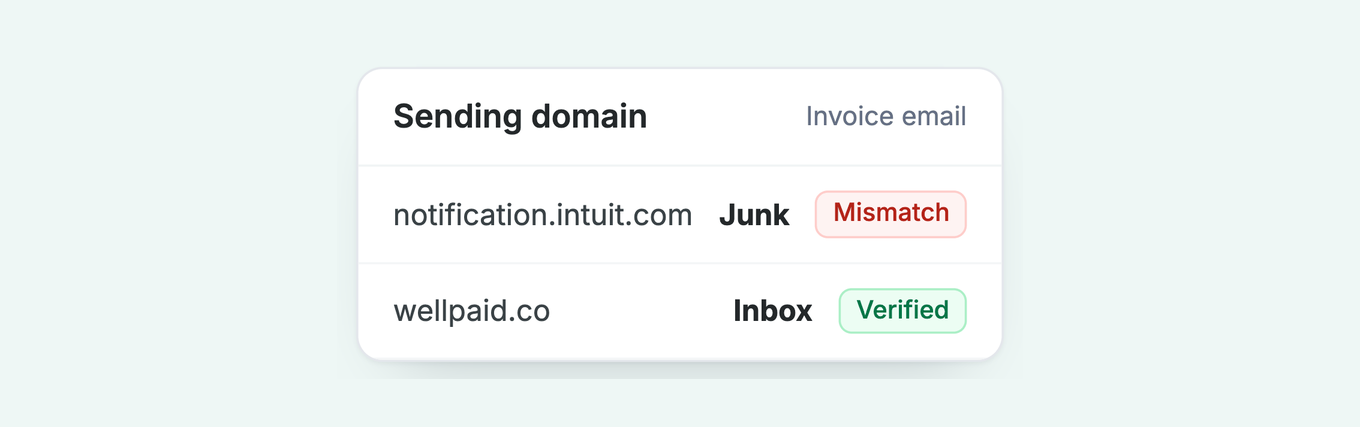
QuickBooks Online invoices go to spam because every invoice email leaves Intuit's mail servers from an Intuit address, and your customer's mail server cannot tie that sender to your domain. The display name says your business. The sending domain says Intuit. When SPF, DKIM and DMARC for your domain do not vouch for that sender, filters treat the mismatch as a spoofing signal, and the invoice lands in junk.
Fix delivery first. When a reminder bounces, the invoice is twice as likely to be unpaid 75 days after its due date (about 13 in 100, against 6 in 100).
What are the symptoms of QuickBooks emails going to spam?
The symptoms of QuickBooks invoices going to spam show up on your side as silence, because QuickBooks marks the invoice as sent either way.
- Customers say they never received the invoice.
- Payments slip past the due date with no dispute.
- The invoice list shows Sent, so nothing looks wrong.
Intuit's help article Fix undelivered invoices in QuickBooks explains that the Status column only shows Undelivered when an address is wrong or the receiving server bounces the message.
How do I fix a QuickBooks invoice already in spam?
To fix a QuickBooks invoice already in spam, ask the customer to move it to their inbox and add Intuit's sender addresses to their contacts, then resend. Intuit's help article Can't receive email from QuickBooks Payments lists the addresses to add: [email protected] and [email protected], alongside the payments addresses. Its article Troubleshoot if customers aren't receiving emails from QuickBooks Online adds three steps on your side:
- Clear and re-enter your company email under Account and settings, Company, Contact info, even if it looks correct, then send a test invoice to yourself.
- Ask the customer to check junk and spam and mark the invoice as not spam.
- For a customer on a corporate mail system, have their IT team add Intuit's mail server host names and IP addresses to their allow list.
To set up QuickBooks Online's own reminders first, see Can QuickBooks Online chase overdue invoices automatically?.
Can QuickBooks settings stop invoices going to spam?
QuickBooks Online settings cannot stop invoices going to spam, because every setting in Account and settings changes the content of the email and none changes the domain it sends from.
How do you send QuickBooks invoices from your own domain?
You send QuickBooks invoices from your own domain by connecting an app that sends on your behalf from a domain you have authenticated. Paidnice does this on the Pro plan: you add your domain under Email Preferences, publish the DNS records Paidnice gives you, and verify once. From then on every invoice, reminder, statement and late fee notice sends as your business, and the receiving server can check SPF and DKIM against your domain rather than Intuit's.
- One verification, any address. Verify yourdomain.com once, then accounts@, a named credit controller or a director can each send with no further DNS work.
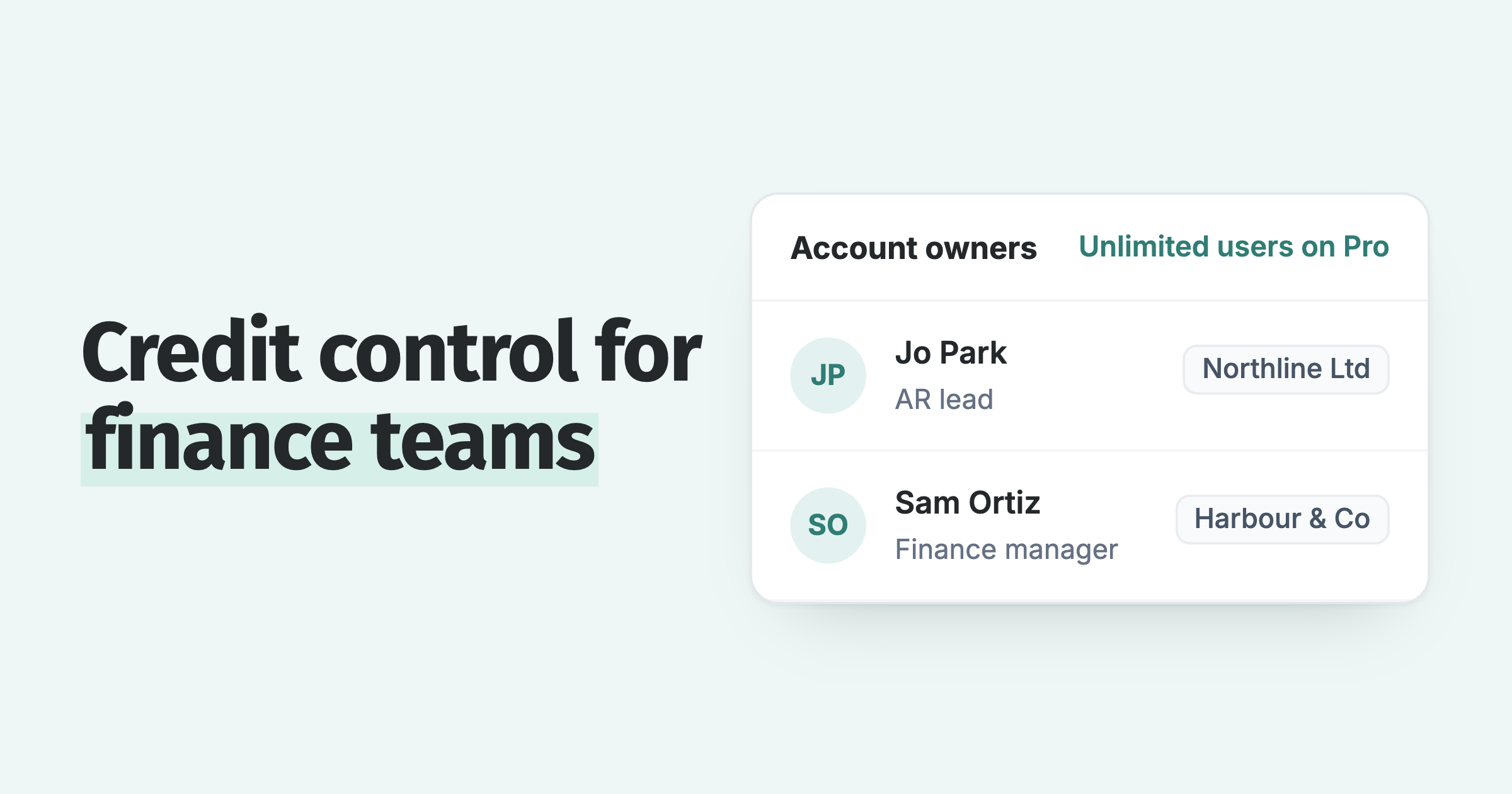
- Reminders on a schedule. Email and SMS reminders for due and overdue invoices, routed by customer group, as part of credit control for QuickBooks.
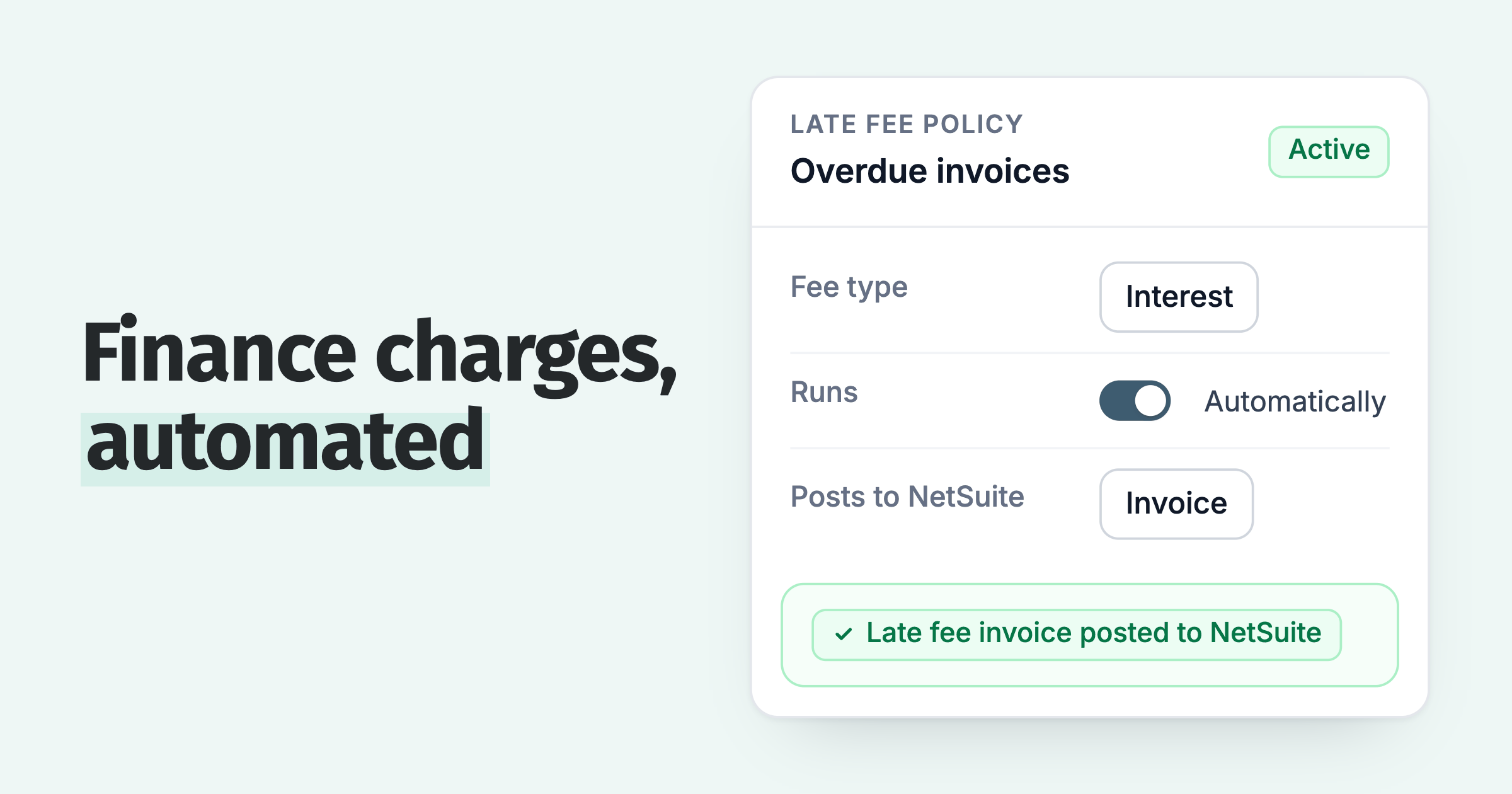
- Late fees and discounts. Fees or prompt payment discounts applied to the QuickBooks invoice by your rules.
- Statements. Customer statements generated and sent automatically from the same domain.
What mistakes cost you when QuickBooks invoices go to spam?
Three mistakes leave invoices and reminders unseen.
- First invoice in spam. Customers who pay their first invoice on time pay about 73 in 100 of later invoices on time. If the first invoice is paid 1 to 14 days late, that falls to about 39 in 100. Fix: confirm receipt with new customers. Source: our analysis of invoice data from over 1,000 Paidnice customers. See the data.
- Asking a company-mail customer to check junk only. Intuit's article gives the allowlist step to an IT professional. Fix: send Intuit's host names and IP addresses to their IT team.
- Reminding before fixing the sender. Compared with sending nothing, the first overdue reminder gets about 19 more invoices in every 100 paid within a week. Fix: send from your own domain. Source: our analysis of invoice data from over 1,000 Paidnice customers. See reminder data.
How long does the setup take?
Most teams connect QuickBooks Online to Paidnice and are live in under 15 minutes. Signing up is free and needs no credit card, and your first actions are free with no time limit. Custom domain sending is on the Pro plan.
Send your next QuickBooks invoice from your own domain with Paidnice.
Paidnice features in this article
About the editorial team
Denym started Paidnice in 2022 after customers paying late left his own business short on payroll. He has led it to $1 billion collected on time across more than 1 million invoices, and writes about credit control, late fees and getting paid on Xero and QuickBooks.
 App of the Year