

 Read by Denym Bird5 min
Summary
None of seven common credit control myths is supported when tested on invoice data from over 1,000 Paidnice customers. Gmail payers and December invoices pay on time as often as any other, one late payment predicts the next, late fees are followed by better payment, and only 1 credit invoice in 8 is paid on the due date.
- One late payment matters: After a payment 1 to 7 days late, a customer's next invoice is on time 28 in 100 times, against 82 in 100 after an on-time payment.
- Reminder day: Overdue invoices are paid about 3 times as often on the day a reminder is sent as on days with no reminder.
- Late fees are followed by better payment: Businesses that start charging late fees get about 3 more invoices in every 100 paid on time than similar businesses that do not.
- The due date is a weak anchor: Only 1 credit invoice in 8 is paid on the exact due date, and 41 in 100 are paid early.
You are on a call with your bookkeeper, deciding whether to chase a customer who paid three days late. Someone says a few days late is nothing, December is always slow, a late fee will only annoy them. Nobody on the call has a number to check it against.
In the video: Who really pays late? (0:31), is december slow, and do gmail customers pay worse? (1:18), do late fees and reminders make it worse? (2:01), when do customers pay? (2:58), do persistent late payers turn around? (3:36), what to do (3:58).
Here is what the invoice data says about seven of those beliefs, each one tested inside the same business wherever the data allowed. Here, customers are the businesses and people who owe the invoices. Paidnice customers are the businesses that use Paidnice.
None of the seven credit control myths is supported by the data
Each myth, the measured result and the verdict.
| Myth | What the data shows | Verdict |
|---|---|---|
| Customers on Gmail pay worse | Same business: free-email customers pay on time as often as company addresses | Not supported |
| December is a slow month | Same business: December invoices paid on time as often as other months | Not supported |
| A few days late is no problem | Next invoice on time 28 in 100 times after a payment 1 to 7 days late, against 82 in 100 after an on-time one | Our data points the other way |
| Late fees damage payment | About 3 more invoices in every 100 paid on time after starting fees | Fees are linked with better payment |
| Chasing changes nothing | Paid about 3 times as often on reminder day | Reminders are linked with faster payment |
| Customers pay on the due date | 1 credit invoice in 8 is paid on the exact due date | Our data points the other way |
| Persistent late payers turn around | Among customers with 10 or more invoices, only 1 in 7 who pay their first 3 invoices late go on to pay most invoices on time | A late start is linked with staying late |
Source: our analysis of invoice data from over 1,000 Paidnice customers.
The full set of numbers behind this piece, with the method, is in our credit control statistics.
Free: Payment reminder email templatesCopy the reminder emails for before, on and after the due date.Do customers on Gmail pay worse?
Customers on free email addresses such as Gmail and Outlook pay on time as often as customers on company addresses inside the same business, in our analysis of invoice data from over 1,000 Paidnice customers.
The myth: customers on free email addresses pay worse.
The raw on-time rates for free and company addresses do differ, most likely because the two groups sit in different kinds of business. Compare invoices inside one business and the gap disappears.
Customers on Gmail should be judged by their payment record. The warning signs that predict late payment come from how a customer has paid and behaved before. The email domain is not one of them.
Is December a slow month for getting paid?
Inside the same business, invoices due in December are paid on time as often as invoices due in other months, in our analysis of invoice data from over 1,000 Paidnice customers.
The myth: December is slow, so stop chasing until January.
The holiday shutdown adds a few days to the invoices that were going late anyway. Across all businesses, the typical late invoice runs 8 days late most of the year and 11 days late over the holidays. The on-time share inside each business does not move.
Credit control reminders should keep running through December.
Is paying a few days late no problem?
No: after a payment 1 to 7 days late, a customer’s next invoice is paid on time 28 in 100 times, against 82 in 100 after an on-time payment, in our analysis of invoice data from over 1,000 Paidnice customers.
The myth: a few days late is noise. Everyone slips now and then.
The next invoice is on time 28 in 100 times after a payment 1 to 7 days late, against 82 in 100
Share of next invoices paid on time, by how the previous one was paid.
- Previous invoice on time82 in 100
- Previous 1 to 7 days late28 in 100
Source: our analysis of invoice data from over 1,000 Paidnice customers.
The one-day-late figure shows how customers behave in the data. One payment predicts the next, but that does not prove one late payment causes the next.
After a customer’s first late payment, send a reminder and check the customer’s other open invoices. Waiting for a second one gives the pattern more time to set.
Do late fees damage payment?
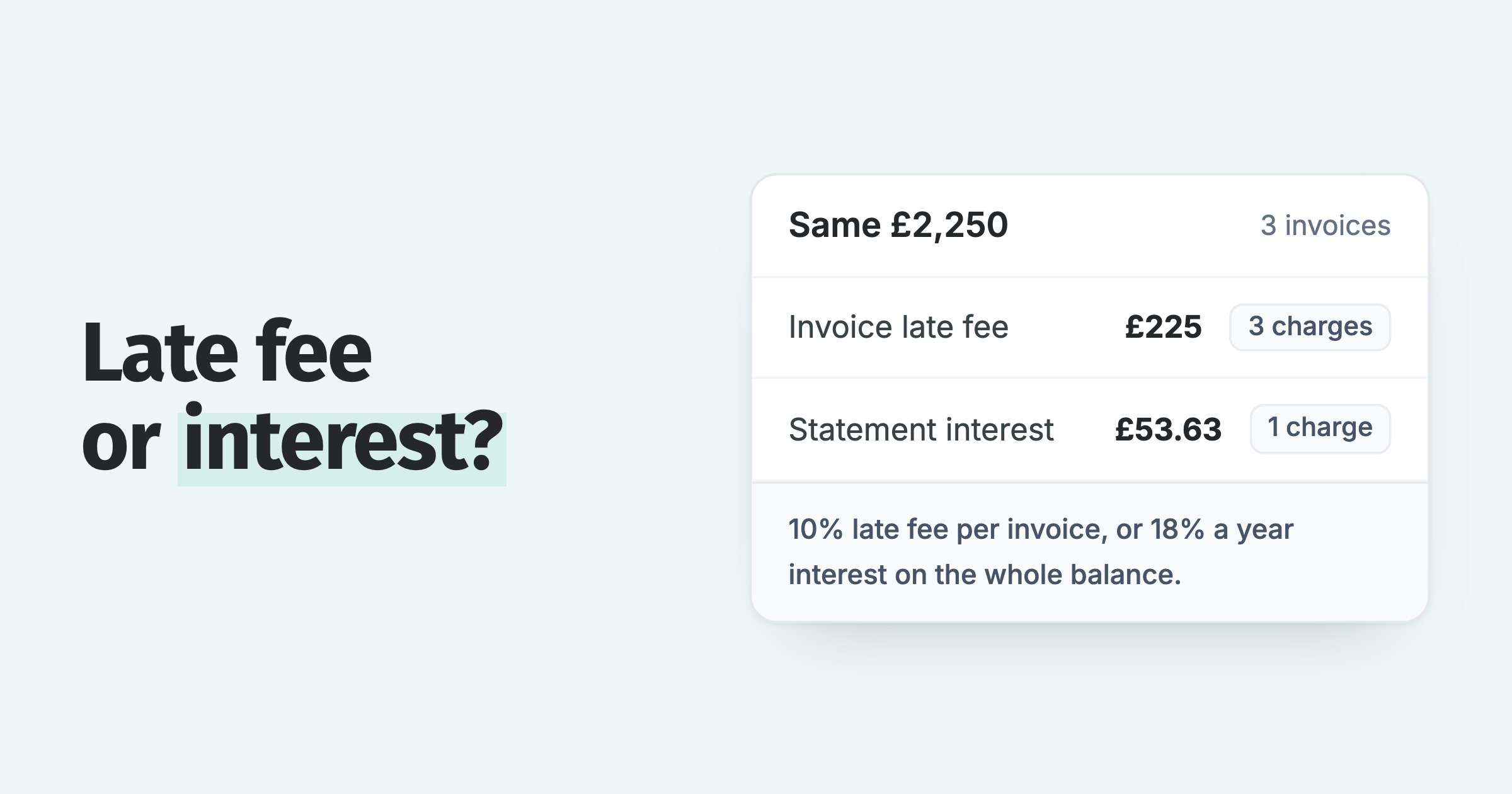
Businesses that start charging late fees get about 3 more invoices in every 100 paid on time than similar businesses that do not, in our analysis of invoice data from over 1,000 Paidnice customers.
The myth: charge a fee and customers will pay worse.
68 in 100 businesses that started fees improved their on-time rate, against 52 in 100 in the comparison group. The gain is about the same for small, mid-size and large businesses.
I think of a late fee as leverage. Apply it automatically, then waive it deliberately for a good customer who slipped once.
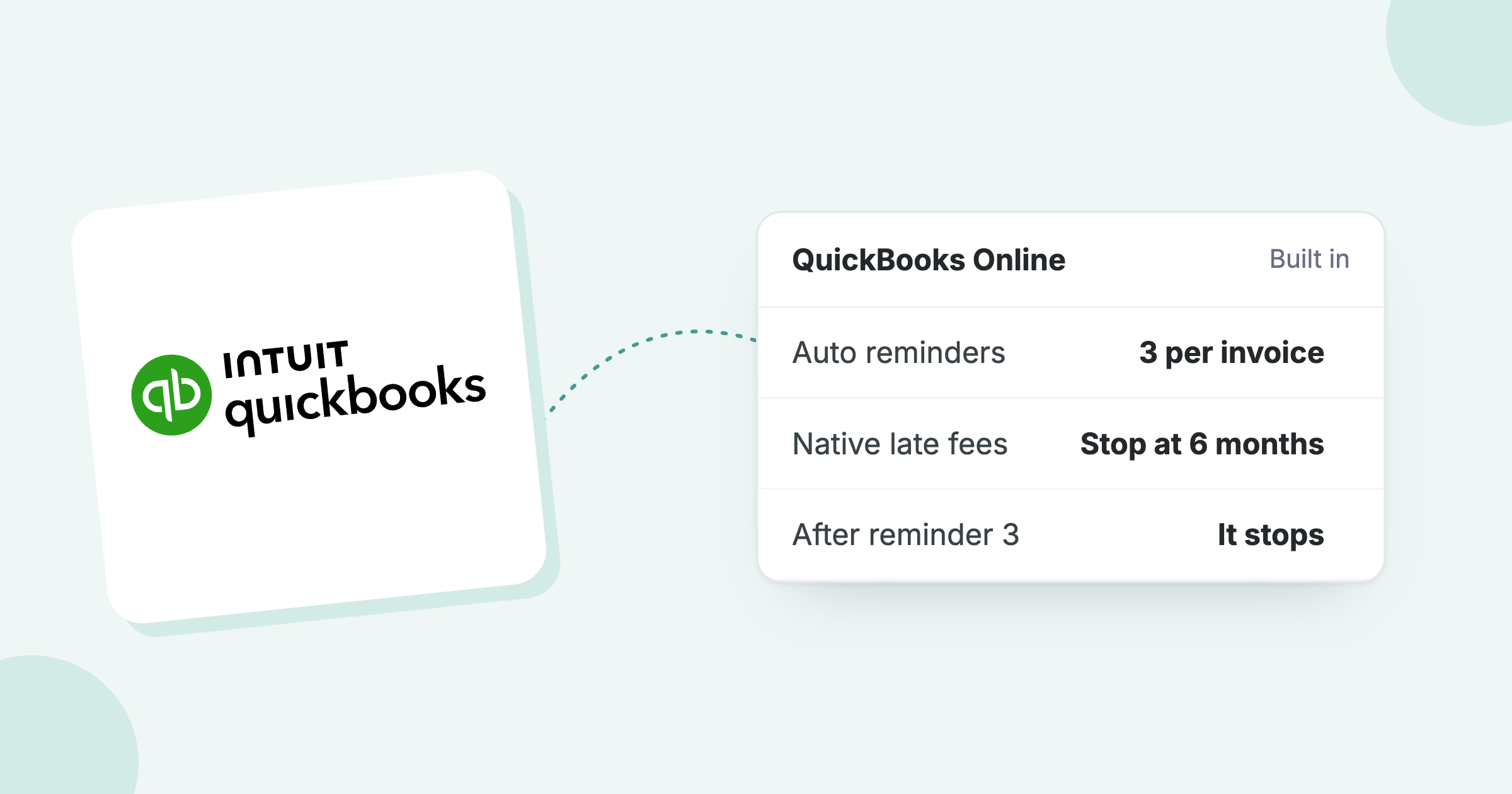
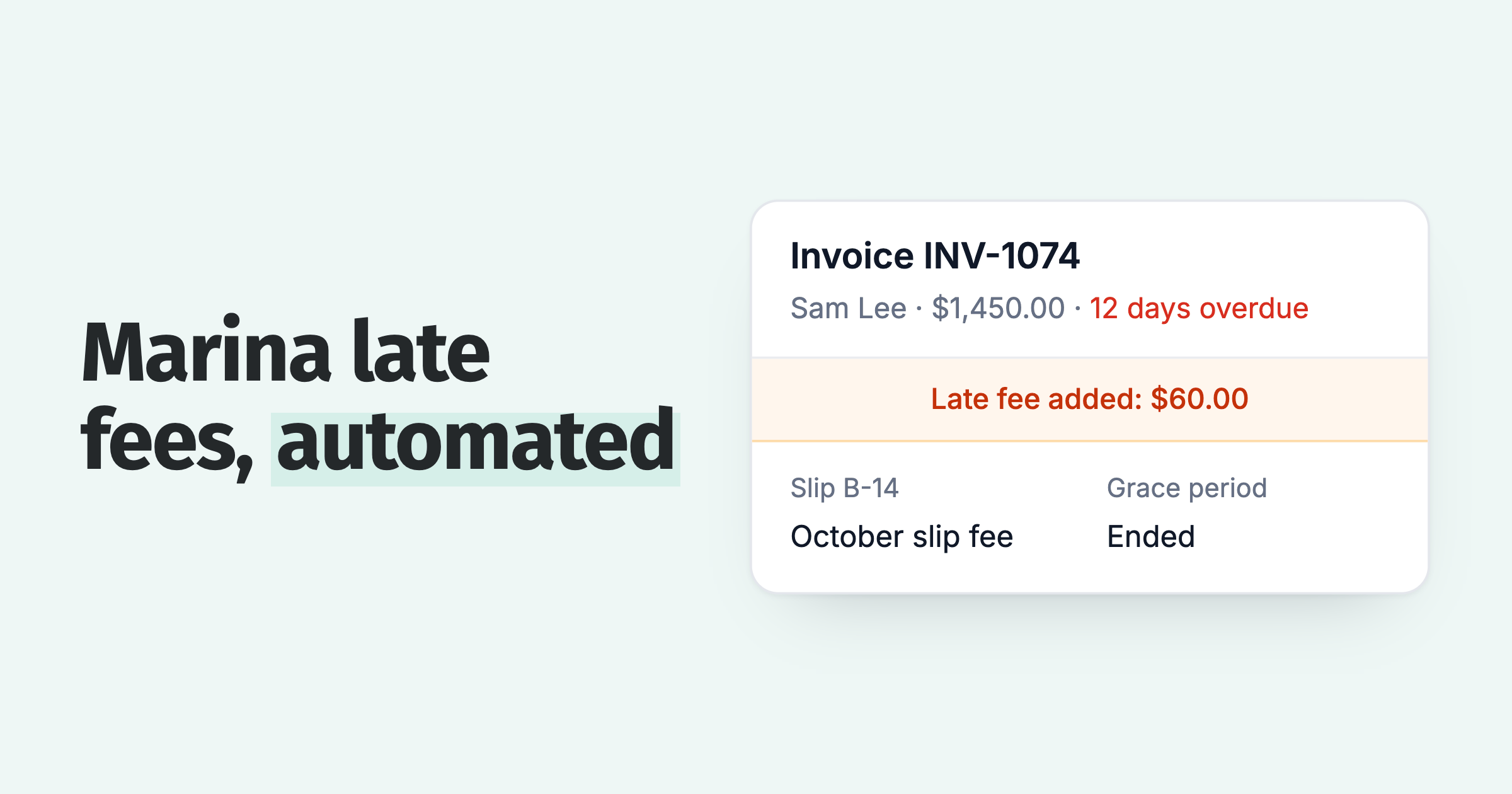
A late fee policy is a payment lever, and our post on whether late fees work shows which fee types get paid. Paidnice adds late fees to overdue invoices as a real invoice in Xero or QuickBooks Online.
Does chasing change anything? What Paidnice data shows
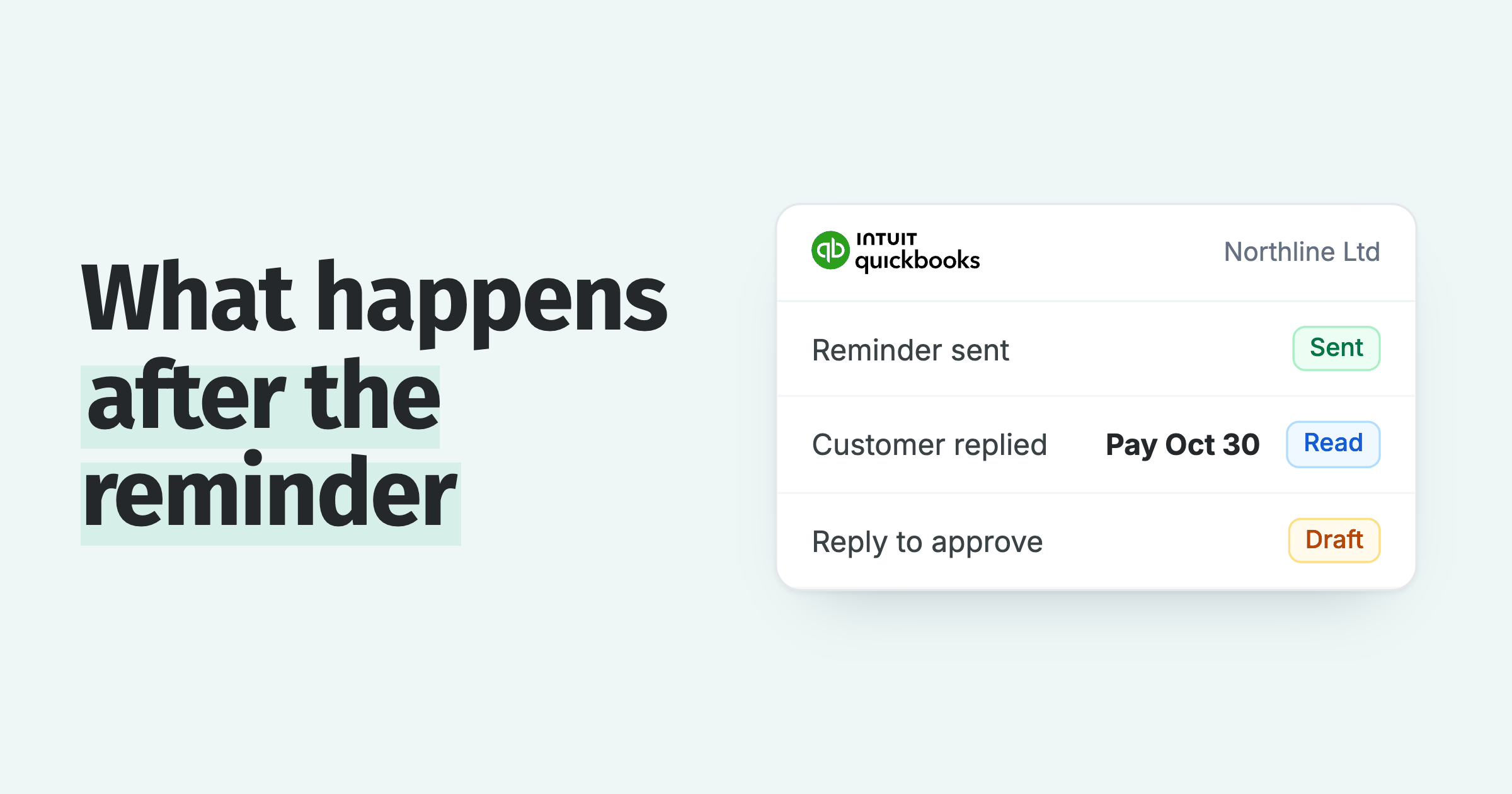
Overdue invoices are paid about 3 times as often on the day a reminder is sent as on days with no reminder, in our analysis of invoice data from over 1,000 Paidnice customers.
Overdue invoices are paid about 12 in 100 times on reminder day, against about 4 in 100 with no reminder. Businesses chose which invoices to remind, so this is a strong short-term pattern and not a controlled test.
The myth: customers pay when they pay, and reminders only fill their inbox.
Overdue invoices are paid about 3 times as often on reminder day
Share of overdue invoices paid that day.
- Reminder sent that dayabout 12 in 100
- No reminderabout 4 in 100
Source: our analysis of invoice data from over 1,000 Paidnice customers.
Within a week of a reminder, an estimated 38 in 100 reminded invoices are paid, against 22 in 100 overdue invoices with no reminder.
Send a payment reminder on every overdue invoice that is not in dispute. Our data on how many payment reminders it takes shows how much the first one does, and a dunning process turns that into a schedule.
Do customers pay on the due date?
Only 1 credit invoice in 8 is paid on the exact due date, in our analysis of invoice data from over 1,000 Paidnice customers.
The myth: the due date is the day the money arrives, so plan cash around it.
Only 13 in 100 credit invoices are paid on the due date itself
Share of paid credit invoices by timing against the due date.
- Paid early41 in 100
- Paid on the due date13 in 100
- Paid in the week after19 in 100
Source: our analysis of invoice data from over 1,000 Paidnice customers.
19 in 100 credit invoices are paid in the week after the due date, 13 in 100 on the date itself and 41 in 100 early. A week holds seven days, so the week and the single day are not like-for-like. In New Zealand the due-date share is 1 in 5.
Payment reminders in the week after the due date reach the invoices paid then. Our payment terms statistics show how much sooner the same customer pays on 14-day terms.
Do persistent late payers turn around?
Among customers with 10 or more invoices, only 1 in 7 who pay their first 3 invoices late go on to pay most invoices on time, in our analysis of invoice data from over 1,000 Paidnice customers.
The myth: give them time, they will settle into paying properly.
After three late invoices, shorten the terms for that customer. Terms are set on the invoice in your accounting software. In Paidnice, groups and policies move that customer to a firmer reminder sequence, and the credit score shows who is slipping. Book a demo and we will set it up with you.
How we measured these credit control myths
Every figure on this page comes from our analysis of invoice data from over 1,000 Paidnice customers on Xero and QuickBooks Online.
- Base: credit invoices, meaning invoices with terms of 1 day or more that were not paid on or before the issue date.
- Outcome: an invoice counts as unpaid if it is still open 75 days after the due date.
- Same-business comparisons: the Gmail and December results compare invoices inside each business, so business mix is held constant. The raw on-time rates for free email addresses look higher than for company addresses because of business mix, so we quote the within-business result only. Days late rise over the holiday shutdown (median 8 to 11 days) even though on-time rates do not change.
- Before-and-after comparison: the late fee result compares businesses that started fees with similar businesses, matched by region and size, that did not. The gain is largest in Australia (about 6 more invoices in every 100) and smallest in the UK (about 2 more). Fee businesses paid slower beforehand, so some adopt fees after a bad patch.
- The reminder event study: invoices on the days after a reminder against invoices at the same days overdue with no reminder. Some invoices get no reminder on purpose, so the comparison invoices may be harder to collect. Read it as a strong short-term response; it does not give an exact causal size. Within-a-week figures are estimated from daily rates.
- Payer patterns: the one-day-late and turnaround results show habits and prediction. They do not prove cause. The turnaround result covers customers with 10 or more invoices and was not re-run on the credit-invoice base.
- Due date timing: shares are of paid credit invoices only. New Zealand's due-date share is higher, at 1 in 5.
FAQ
What are some common myths about credit control?
Seven common beliefs are not supported by our invoice data: Gmail customers pay worse, December is slow, a few days late is nothing, late fees damage payment, chasing changes nothing, customers pay on the due date and late payers turn around. For example, a customer’s next invoice is on time 28 in 100 times after a payment 1 to 7 days late.
What is credit control in simple terms?
Credit control is deciding who you give credit to, on what terms, and then making sure they pay on time. In practice: check new customers, set terms, send reminders, and apply a late fee or stop supply when an invoice goes overdue.
What are the five Cs of credit control?
Character, capacity, capital, collateral and conditions: the five things a lender or supplier checks before extending credit. Our guide to the five Cs of credit applies each one to trade credit.
Should I stop chasing invoices over the holidays?
No, you should not stop chasing invoices over the holidays. Inside the same business, invoices due in December are paid on time as often as other months. The holiday effect shows in days late, not in on-time rates: the median days late rises from 8 to 11.
Do late fees make customers pay worse?
No, late fees are followed by better payment: businesses that start charging late fees get about 3 more invoices in every 100 paid on time than similar businesses that do not, in our analysis of invoice data from over 1,000 Paidnice customers.
About the editorial team
Denym started Paidnice in 2022 after customers paying late left his own business short on payroll. He has led it to $1 billion collected on time across more than 1 million invoices, and writes about credit control, late fees and getting paid on Xero and QuickBooks.
 App of the Year