
Summary
Marina late fee automation works best from the invoice in Xero or QuickBooks Online, where the slip holder's balance already lives. Paidnice reads unpaid slip and storage invoices there, sends reminders, and adds a flat fee, a percentage, or interest once the grace period ends. Your slip agreement must provide for the fee.
- Where the fee lives: On the ledger, as an invoice the owner sees on the statement and in the payment portal.
- What to ask your marina software: Does it post each charge to Xero or QuickBooks as an invoice with a due date, on the right owner, and does it see payments recorded there?
- What public marinas charge: Berkeley and Brisbane in California publish a 10% late charge. Corpus Christi, Texas, publishes a $60 monthly late charge.
A slip holder owes three months of dockage, the boat hasn't moved since August, and the owner is in another state until spring. Your marina software took the booking and raised the bill, but the balance sits in Xero or QuickBooks Online. This guide covers where the late fee should go, how it reaches the owner, what public marinas actually charge, and what the law allows when nothing gets paid.
Where do marina late fees belong: the booking system or the ledger?
A marina late fee belongs on the ledger, as an invoice in Xero or QuickBooks, because that is where the owner's balance, statement and payments already live.
Marina management software runs slips, reservations, contracts and the front desk. Where the marina keeps its accounts in Xero or QuickBooks, the software sends the charges there. Once the invoice sits in the ledger, a fee added there shows up on the owner's statement, in the payment portal, and in your receivables report. A fee that exists only inside the booking system can miss all three.
Free: Late payment interest calculatorWork out the interest or fee on an overdue invoice.Before you decide where late fees run, ask your marina software provider three questions. One support ticket to the provider is enough to get them answered.
- What posts to Xero or QuickBooks? Ask whether each slip, storage, haul-out and fuel charge arrives as its own invoice with a due date, or as a daily summary or sales receipt. Reminders and late fees need an invoice with a due date.
- Who is it billed to? Ask whether each boat owner becomes one contact with a current email and mobile number. A fee or reminder can only reach the contact the invoice is on.
- What happens to a payment recorded in the ledger? Ask whether the marina software reads payments back from Xero or QuickBooks, or keeps showing the slip as unpaid. If it doesn't, decide which system your front desk trusts for the balance.
If the answer to the first question is "a summary", late fees per owner have to run inside the marina software or be set up manually. If each charge arrives as an invoice, the ledger can carry the fee.
How a late fee reaches the slip holder, step by step
The invoice goes unpaid, the grace period runs out, the owner gets a reminder, the fee posts as an invoice or interest charge, and the next statement shows it.
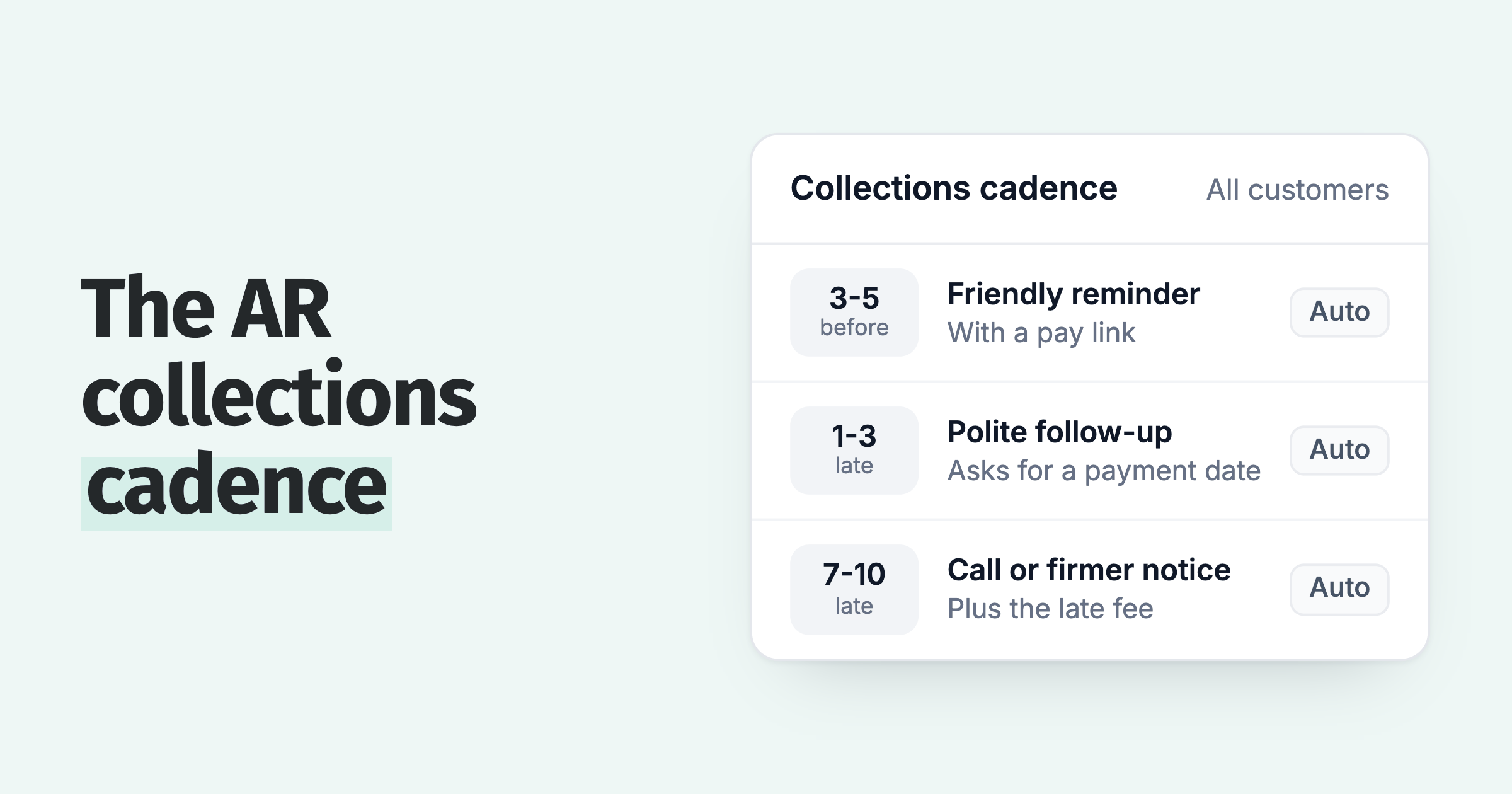
- The invoice falls due. The monthly or seasonal slip invoice sits in Xero or QuickBooks with its due date. A reminder a few days before the date, with a pay link, catches the owners who simply forgot.
- The grace period runs. You choose the number of days overdue before anything is charged. Match it to the wording in your slip agreement.
- A reminder names the fee. The reminder can state the amount still to come, for example "If not paid within 7 days, a late penalty of $60.00 will be charged."
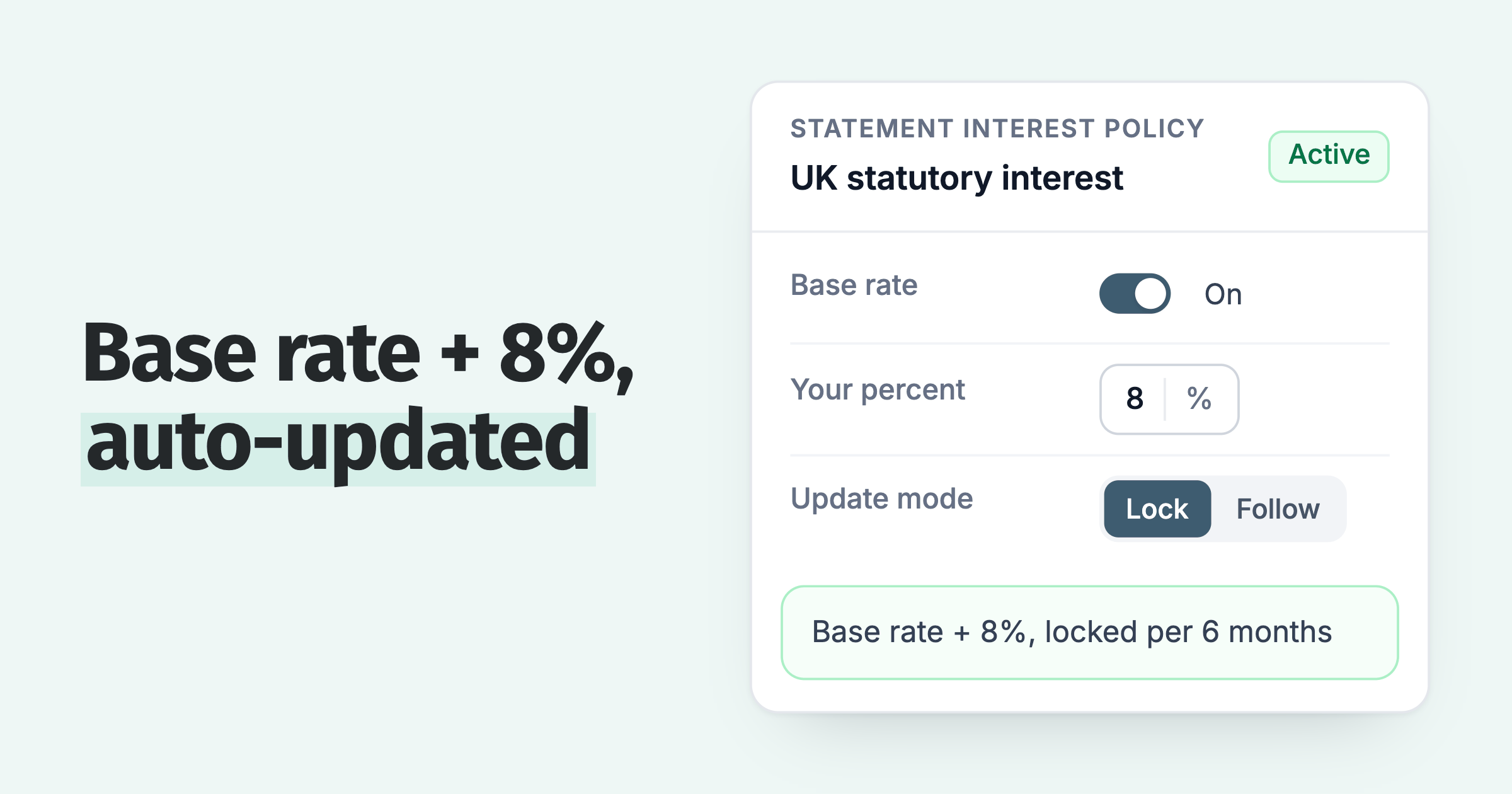
- The fee posts. Either a late fee invoice for each overdue invoice, or an interest charge on the owner's whole overdue balance. Both go on the ledger as invoices, as Draft or Approved.
- The statement shows it. The owner's next statement lists the slip invoice and the fee together, and the portal lets them pay both at once.
Fees that sit on the ledger are also the ones your accountant can report on. See how to account for late fees for the income account and tax treatment.
What do published marina late fees look like?
Public marinas that publish their rules commonly charge a 10% late charge on the month's fee, or a flat monthly late charge, with sale of the vessel as the last step.
Most private marinas keep their slip agreement terms private. City-run marinas publish theirs, so they are the clearest public benchmark.
| Marina | Late charge | When it applies | Source |
|---|---|---|---|
| Berkeley Marina, California | 10% late payment penalty | Payment is due on or before the 1st of the month; late payment may also bring a $120 chaining fee and a $100 lien fee | City of Berkeley marina bill |
| Brisbane Marina, California | 10% of the delinquent month's rent | Any license fee not paid on the day it is due | Brisbane Marina slip license agreement |
| Corpus Christi Marina, Texas | $60.00 monthly late charge | Charges unpaid by the 1st of the following month bring a 30-day delinquency; 60 days leads to foreclosure and public auction | Corpus Christi marina rules |
The percentage marinas tie the fee to the size of the slip bill, and the flat-fee marina charges the same amount on a small slip as on a large one. For what your own state allows on business invoices, see late fee laws by state and how much you can charge.
Across late fees charged through Paidnice, 81% of fixed fees were paid, against 57% of percentage fees. A flat fee is a single figure on the owner's statement. If your slip agreement allows either, the flat fee is the one more owners pay.
Slip holders who are away for months
Owners who leave the boat for the season still read email and text, so the reminder and the fee notice need to reach the inbox and phone they use while away.
Paidnice sends reminders by email and SMS on the schedule you set. SMS sends worldwide to any valid mobile number, and on the Pro plan email goes out from your own domain, so the owner sees your marina's name as the sender. Every message carries a link to a payment portal where the owner pays by card or ACH bank payment, with no login.
Put the reminder before the due date for owners who are away, and keep the grace period the same for everyone. A monthly statement then shows every open slip, storage and fee invoice in one place, which is the document an absent owner is most likely to act on.
Annual slip fees on a payment plan
An annual slip invoice can be split into installments, and a missed installment makes the invoice overdue again, so your normal reminders and late fees apply from that date.
Payment plans are on the Pro plan and above, on Xero and QuickBooks Online. A plan splits one approved invoice with no payments against it, and Paidnice moves the due date to each installment in turn. With Stripe connected, the owner can turn on autopay in the portal so each installment charges on its date, and any surcharge you add for splitting posts to its own revenue account. See customer payment plans for how to set the limits.
When fees fail: liens and stop credit
When a slip holder still doesn't pay, state law can give the marina a lien on the vessel, with written notice and a waiting period before any sale.
Florida is one example. Under Florida Statutes section 328.17, a marina has a possessory lien on a vessel for storage fees, dockage fees and repairs. The marina must give the owner written notice, in person or by certified mail, and may sell or remove the vessel when the fees, costs and late payment interest are still unpaid 60 days after that notice. The statute also requires notice to any lienholder and a newspaper notice before the sale.
Each state sets its own rules, and this is not legal advice. A lien process starts from a documented unpaid balance, and fees and interest that sit on the ledger are part of that record. Before that stage, Paidnice can raise a stop credit or call task to a named person, with the owner's balance and payment history attached.
What Paidnice does and does not do for a marina
Paidnice works from the invoices already in Xero or QuickBooks Online, and your marina software keeps running bookings and billing.
- It reads unpaid slip, storage, haul-out and fuel invoices from Xero or QuickBooks Online.
- It sends reminders and statements, and adds late fees or interest after your grace period, posted on the ledger.
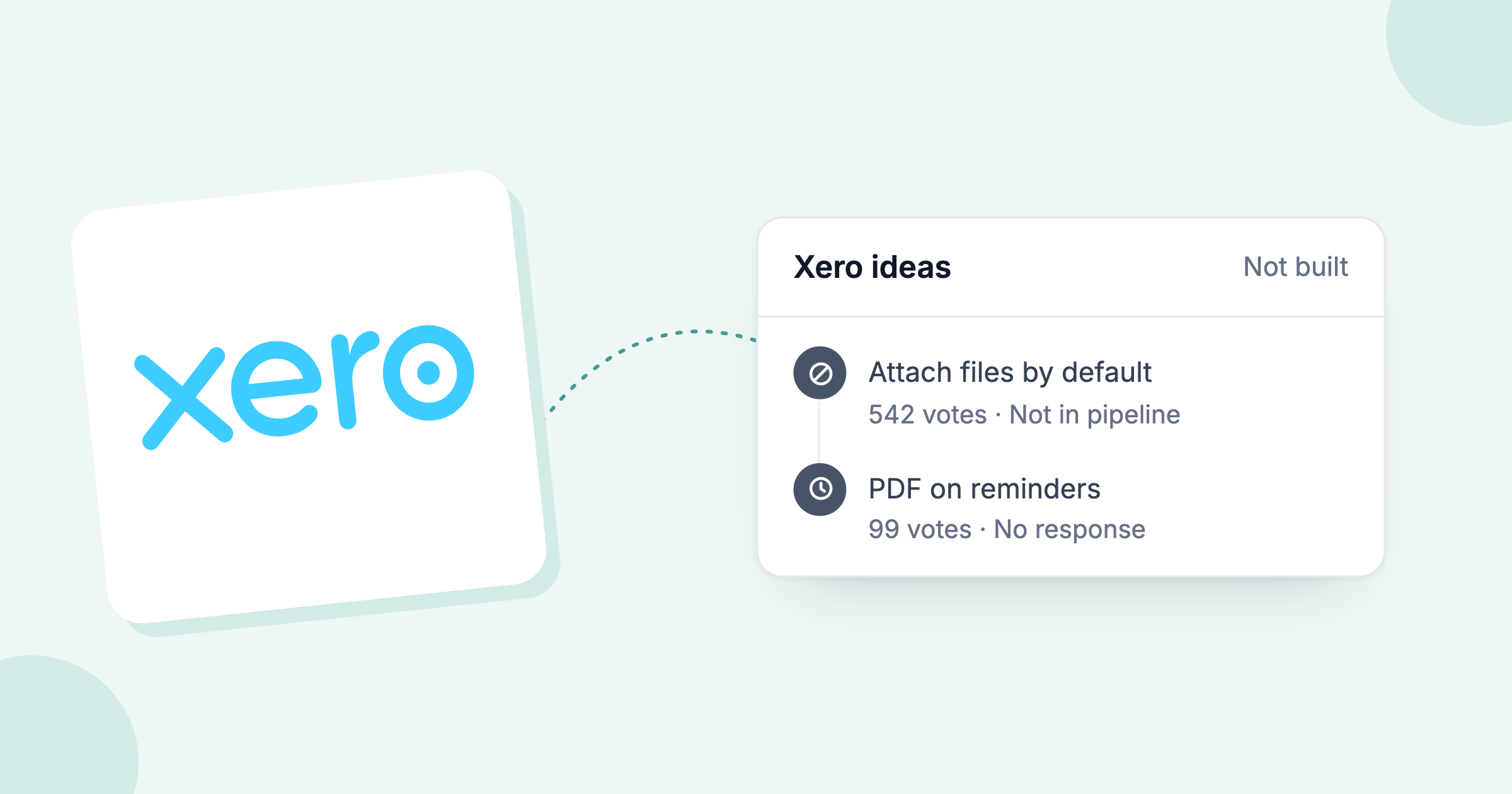
- It can send the original invoice PDF your marina software attached to the ledger record.
- It does not raise slip invoices, take reservations, or replace your front desk software.
Late fees run in groups, so long-term slip holders can sit in a group with no fee while chronic late payers are charged. A fee can be voided or waived, with your reason on record. Paidnice is priced by invoice volume, not revenue, and the late fee invoices it raises do not count toward your plan. See late fees in Paidnice and the accounts receivable software for marinas page.
Questions about marina late fees
Set the late fee in the slip agreement, run it from the invoice in your ledger, and keep the grace period the same for every owner.
Which marina software integrates with Xero or QuickBooks?
Several marina platforms send invoices to Xero or QuickBooks Online, and the depth varies. Ask each one the three questions above: what posts to the ledger, which contact it is billed to, and whether it reads payments back. Those answers decide whether late fees can run from the ledger.
Can a marina charge a late fee on slip fees?
Yes, when the slip agreement or storage contract provides for it and the amount fits your state's rules. Public marinas such as Berkeley and Corpus Christi publish theirs.
Should the late fee be a flat amount or a percentage?
Both are common at public marinas. A percentage scales with the slip bill, and a flat fee is simpler to read. In Paidnice data, fixed fees are paid more often than percentage fees.
What grace period should a marina use?
Use the one your slip agreement states, and apply it to every owner. Brisbane's agreement lets the marina charge on any fee not paid on the day it is due.
Can we waive a late fee for a long-term slip holder?
Yes. Put long-term holders in a group with no fee, or void a single fee and record why. Apply the fee automatically and waive it deliberately, so every exception is a decision. For wording ideas, see late fee policy wording examples.
About the editorial team
Denym started Paidnice in 2022 after customers paying late left his own business short on payroll. He has led it to $1 billion collected on time across more than 1 million invoices, and writes about credit control, late fees and getting paid on Xero and QuickBooks.
 App of the Year