

Xero does not include a customer-facing payment portal. Customers get individual invoice links but no single page showing everything they owe. A connected app such as Paidnice adds one.
This is the gap most people hit. When you send an invoice from Xero, the customer receives an email with a link to a single, view-only invoice page. If a payment service like Stripe is connected, that page shows a pay-now button. It works well for one invoice at a time.
The problem starts at invoice number two. Send four invoices and your customer has four separate emails, four separate links, and four separate payments to make. There is no single door they can walk through to see the whole account. Xero was built as accounting software for you, the business. It was never built as a self-serve payments front-end for your customers.
The read: if you send a few invoices a month and customers pay them one by one, Xero's native emails and online-payment links are genuinely fine. You do not need anything more. The portal starts to matter once customers carry several open invoices at a time, or when they keep emailing to ask "what do I actually owe you right now?"
Your customer's accounts-payable person often wants exactly that: a list of what is outstanding, what is already paid, and a total to reconcile against their own records. In Xero, the closest native tool is a customer statement, which you generate and email as a PDF. It is a snapshot, sent by you, on your schedule. The customer cannot open it up whenever they like or watch it update as invoices get paid.
A connected portal closes that gap. Your customer opens one link, sees every open invoice with due dates, sees a running balance, and can download a statement themselves. No email to you, no waiting. That is the difference between a document you push out and a page they can pull whenever they need it.
Here is the exact path using Paidnice's customer payment portal. The same shape applies to any portal app, but these are the real steps.
Authorize the app against your Xero organization. Your contacts and invoices sync across, so the portal already knows who owes what.
Link Stripe (or another supported provider) so customers can pay from the portal. This is what turns a view-only page into a pay-from-here page.
Add your logo and colors so the page reads as yours, not a third party's. Customers should feel like they never left your business.
Decide what customers can do: pay in full, part-pay, self-serve a statement, or start a payment plan. Route different contact groups to different options.
Every reminder and statement carries the customer's portal link automatically. There is nothing for the customer to install and no password to remember.
That is the whole job. No migration, no rebuild of your Xero setup, and no change to how you raise invoices. Paidnice sits on top of Xero and reads from it. See the Xero integration for the exact sync details.
This is the part that changes the conversation. Instead of hunting through their inbox for the right link, your customer opens one page and everything they owe you is on it. Here is the shape of it.
Three things a customer can do here that they cannot do in native Xero: tick several invoices and pay them in one transaction, start a payment plan without emailing you first, and download their own statement. The page reads as your business, pulls its numbers straight from Xero, and updates the moment an invoice is paid.
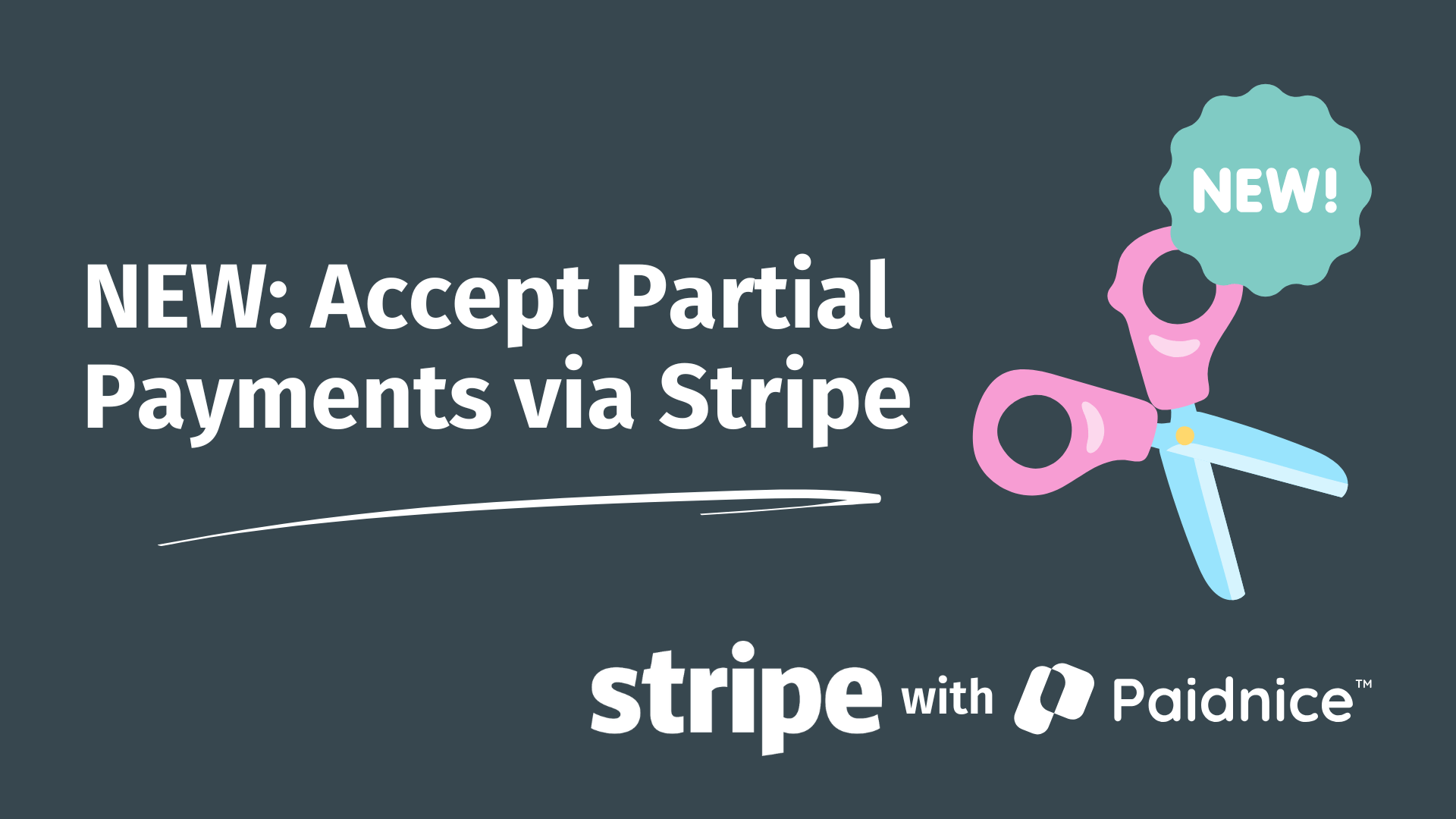
Native Xero expects an invoice to be paid in full, in one go. Real customers do not always work that way. Some want to pay half now and half in two weeks. Some are fine to pay, they just need it spread across a few dates. When the only options are "pay it all" or "ignore the email," a lot of them pick the second one.
With Stripe connected through Paidnice, the portal offers the middle ground:
One caveat worth stating plainly: which of these are available depends on your accounting platform and payment provider. Autopay and part-payment behavior is fullest on Xero with Stripe. If you are on a different setup, check the feature availability before you promise a customer anything.
That is the test. A portal is not a fix for a slow-paying customer on its own. What it does is remove the friction between "I want to pay you" and "it is done," which is where a surprising amount of overdue balance actually sits. The customer payment portal is one piece of that. Reminders that carry the link, late fees that apply on your terms, and statements that go out on time are the rest of it. Close the gap between invoice and payment, and most of the chasing takes care of itself.
No. Xero sends online invoices that each carry their own pay-now link, but it has no portal where a customer signs in and sees every invoice they owe you in one place. A connected app such as Paidnice adds that portal on top of Xero.
Not with native Xero. Each online invoice is a separate page with its own payment. A connected portal lets a customer select several open invoices and pay them in a single transaction.
No. Xero can generate a customer statement that you email as a PDF, but there is no self-serve area where a customer pulls their own statement on demand. A portal app lets the customer download an up-to-date statement whenever they need it.
Not on its own. Autopay depends on the payment provider you connect. With Stripe connected through Paidnice, a customer can save a card once and have future invoices charged automatically on the due date. Availability varies by accounting platform and provider.
Connect Xero to a portal app, connect a payment method such as Stripe, brand the portal, set what customers can do, and share each customer's portal link. With Paidnice the whole setup runs in well under 30 minutes and needs no migration.
Paidnice is accounts receivable automation that enforces your payment terms, trusted by thousands of businesses on Xero and QuickBooks. Credit control and debtor management, run for you.
Try it Now - It's FreeNo card required.


Optimize your cash flow with our suite of financial tools designed for AR professionals. Calculate DSO, aging analysis, late fees, and more.