


Summary
NetSuite automates the core of UK accounts receivable: it raises invoices from orders, calculates VAT, matches receipts to open invoices and sends dunning letters in several currencies and languages. It has no UK statutory interest setting, dunning needs a paid SuiteApp, and Oracle's dunning pages describe no reply handling. UK finance teams add an AR tool such as Paidnice for those jobs.
- Native in NetSuite: Invoicing from sales orders, VAT on each invoice, Customer Payments applied to open invoices, ageing reports and AR dashboards, credit limits and holds.
- Paid add-on: The Dunning Letters SuiteApp: up to 15 levels, email or PDF, bought from your Oracle NetSuite account manager.
- The UK gap: No setting for Bank of England base rate plus 8% or the £40, £70 and £100 fixed sums, no SMS, and no reply or dispute handling in Oracle's dunning pages.
- Paidnice on NetSuite: Runs reminders, statutory interest, statements and replies on the Custom plan, with a two-way sync into your NetSuite account.
Paidnice connects to your ERP on the Custom plan. Book a demo on your own data, and a specialist sets up the connection.
Month end is in four days. Your aged debt report in NetSuite shows £380,000 over 30 days, and half of it sits with ten customers. Each one needs a different email, two have disputed an invoice, and one has promised to pay on Friday. NetSuite holds all of that data, but a person still has to act on each case.
If your team runs accounts receivable (credit control, in UK terms) in Oracle NetSuite, this guide covers what NetSuite automates, a UK order-to-cash workflow, the UK jobs NetSuite leaves to you, and how to automate them. For the full tool comparison, see credit control software for NetSuite.
What does NetSuite automate in accounts receivable for UK teams?
NetSuite automates invoicing, VAT, cash application, dunning and AR reporting for UK companies. It turns fulfilled orders into invoices, applies receipts to open invoices and shows ageing in real time.
- Invoicing: fulfilled sales orders and billing schedules become invoices, with your own Advanced PDF/HTML template and email delivery.
- VAT: NetSuite calculates VAT on each invoice from the item's tax code and posts it to the general ledger.
- Cash application: a Customer Payment record applies a receipt to one or several open invoices, and Credit Memos settle against them.
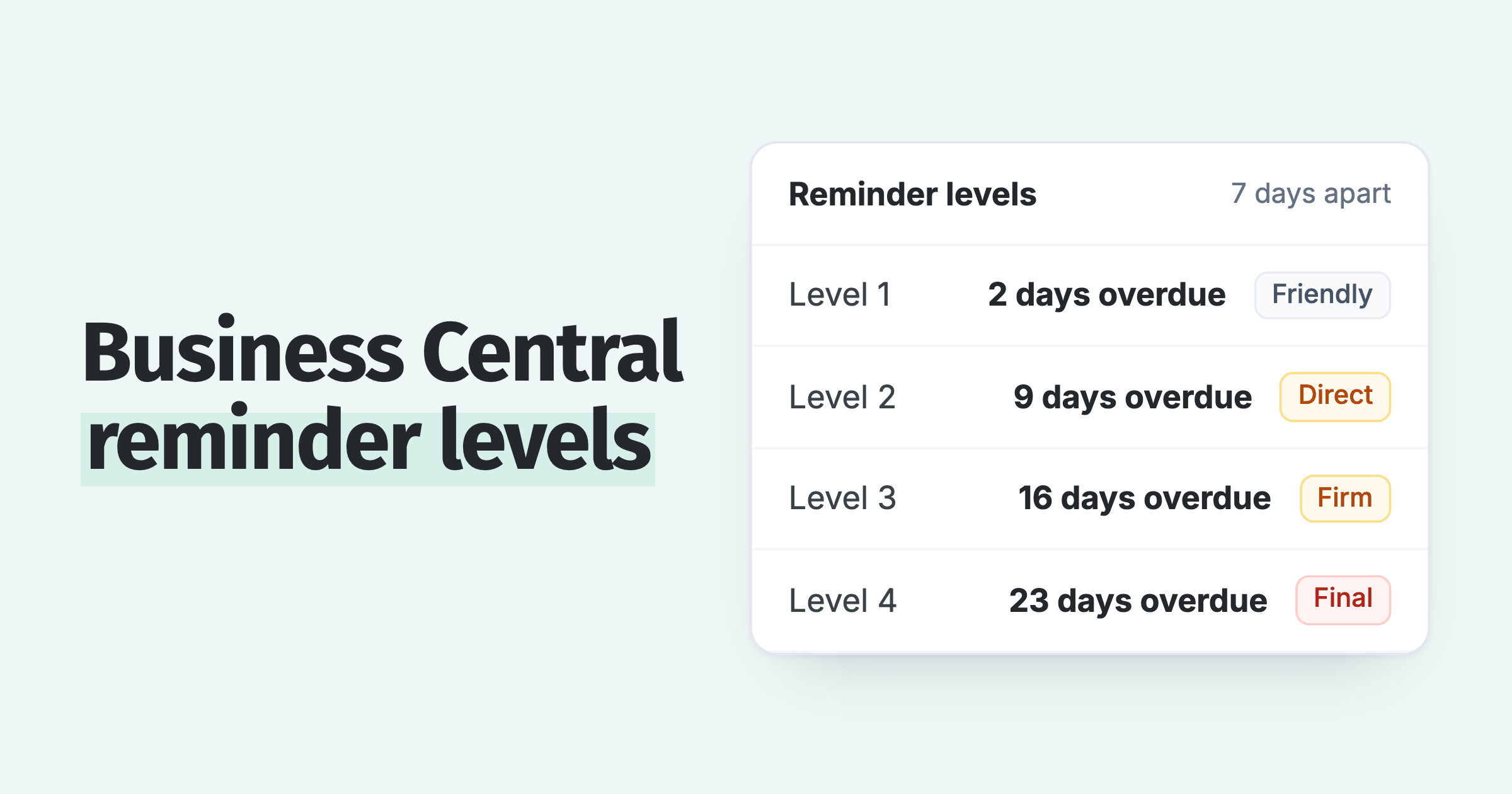
- Dunning: a paid add-on, the Dunning Letters SuiteApp, issues reminders across as many as 15 levels, in several currencies and languages.
- Credit control: credit limits, payment terms and credit holds sit on the customer record.
- Reporting: A/R Aging reports (current, 1 to 30, 31 to 60, 61 to 90 and over 90 days by default), saved searches and dashboards show overdue balances by customer and by age.
Oracle's UK page describes the same scope: digital invoices, several payment options and reminders before or after the due date. See the NetSuite UK accounts receivable page.
Free: Payment reminder email templatesCopy the reminder emails for before, on and after the due date.What is the UK order-to-cash workflow in NetSuite?
A UK order-to-cash run in NetSuite has eight steps, from the credit check to the escalation. NetSuite runs steps 2 and 3 by itself and most of step 5. The rest need a person or an AR tool.
- Check the customer. Set a credit limit and payment terms on the new customer record. A bureau check (Creditsafe, Experian) happens outside NetSuite.
- Raise the invoice. NetSuite bills the fulfilled sales order and adds VAT from the tax code.
- Send it. The invoice goes by email as a PDF, with a NetSuite Payment Link if you set one up.
- Receive the money. The customer pays by Bacs or Faster Payments into your bank account. The receipt comes in through bank feeds or a bank file.
- Apply the cash. A Customer Payment applies the receipt to the open invoice. Remittance advice that lists several invoices needs a person or a matching rule.
- Chase the overdue invoice. Dunning letters go out at each level, if you bought the SuiteApp.
- Handle the reply. Disputes, payment promises and "we never received it" replies land in a shared mailbox. Someone pauses dunning manually.
- Escalate. Charge statutory interest, put the account on hold, or send a letter before action.
Where does NetSuite AR automation stop for UK teams?
NetSuite AR automation stops at the send. NetSuite has no UK statutory interest setting and no SMS, and Oracle's dunning pages describe no reply handling. The table compares NetSuite alone, the Dunning Letters SuiteApp and Paidnice on each UK job.
| UK job | NetSuite alone | Dunning Letters SuiteApp | Paidnice on NetSuite |
|---|---|---|---|
| Reminders | Collection letters sent manually or in bulk | Up to 15 levels, email or PDF, 100 letters at one time per queue | Reminder policies by customer group, sent from your own domain |
| Statutory interest | One annual finance charge rate, run manually from Assess Finance Charges | Template text only | Base rate plus 8%, locked for each six-month period, posted as a NetSuite invoice |
| Fixed sums (£40, £70, £100) | No setting | No setting | A fixed fee line by debt size |
| Customer replies | Read in a shared mailbox | Not described in Oracle's dunning pages | Replies read, promised dates logged, answers drafted for approval |
| Disputes | Manual | Pause Dunning ticked manually, with a reason | The invoice is skipped while a query is open |
| SMS | No built-in SMS for invoices | Email and PDF only | SMS from a UK number |
| Posted letters | Print and post manually | PDF queue, printed manually | Printed and posted for you |
| Bounced emails | Not tracked | Cannot detect them | Delivery status on each message |
Sources: Oracle, dunning limits and bounced email. Our guides cover NetSuite dunning, finance charges and SMS reminders in detail.
How do you charge UK statutory interest in NetSuite?
UK statutory interest is 8% a year above the Bank of England base rate, plus a fixed sum of £40, £70 or £100 per invoice. NetSuite's finance charge holds one annual rate, so you update it each half-year and add the fixed sums yourself. Bank Rate is 3.75%, unchanged at the September 2026 meeting, so the statutory rate to 31 December 2026 is 11.75%.
The Late Payment of Commercial Debts (Interest) Act 1998 applies to business-to-business invoices. Under the rate order made under the Act, the base rate in force on 30 June sets the rate from 1 July to 31 December, and the rate on 31 December sets 1 January to 30 June. Interest is simple, not compound.
| Debt (per invoice) | Fixed sum you can claim |
|---|---|
| Under £1,000 | £40 |
| £1,000 to £9,999.99 | £70 |
| £10,000 or more | £100 |
Source: GOV.UK, charging interest and debt recovery costs. Work out a claim with the statutory interest calculator.
In NetSuite, Finance Charge Preferences take an annual rate, a grace period and a minimum charge. Someone runs Assess Finance Charges manually, and the charge posts as an invoice. To follow the Act, change the rate each January and July, and raise the fixed sums as separate invoice lines.
Interest matters more than the fixed sums. Only about 4 in 100 UK late fees in Paidnice data are the £40, £70 or £100 fixed sums; 46 in 100 are interest charged at a yearly rate.
How do UK customers pay a NetSuite invoice?
Bank transfer (Bacs or Faster Payments) is the usual way UK businesses pay an invoice, so the invoice must show your bank details. NetSuite's Payment Link takes cards and PayPal. Direct Debit needs a bank file or a payment provider.
A bank transfer gives you no link between the money and the invoice, unless the customer quotes the invoice number, so UK cash application in NetSuite often needs a person. A pay link on every reminder moves more customers to a payment you can match automatically. Oracle's Payment Link page names credit cards and PayPal as its methods; our NetSuite Payment Link guide covers the setup.
Which UK rules affect accounts receivable in NetSuite?
Three UK rules affect accounts receivable in NetSuite: VAT on each invoice, Making Tax Digital for VAT returns, and the six-monthly payment practices report for large companies. NetSuite handles the first two; the third is a supplier-side duty you can use as a credit signal.
- VAT on invoices: NetSuite adds VAT from the tax code. Credit Memos reverse it.
- VAT on interest: HMRC treats statutory late payment interest as outside the scope of VAT. Ask your tax adviser about the fixed sums.
- Making Tax Digital: NetSuite's Making Tax Digital for VAT feature, with the International Tax Reports SuiteApp, submits VAT returns to HMRC.
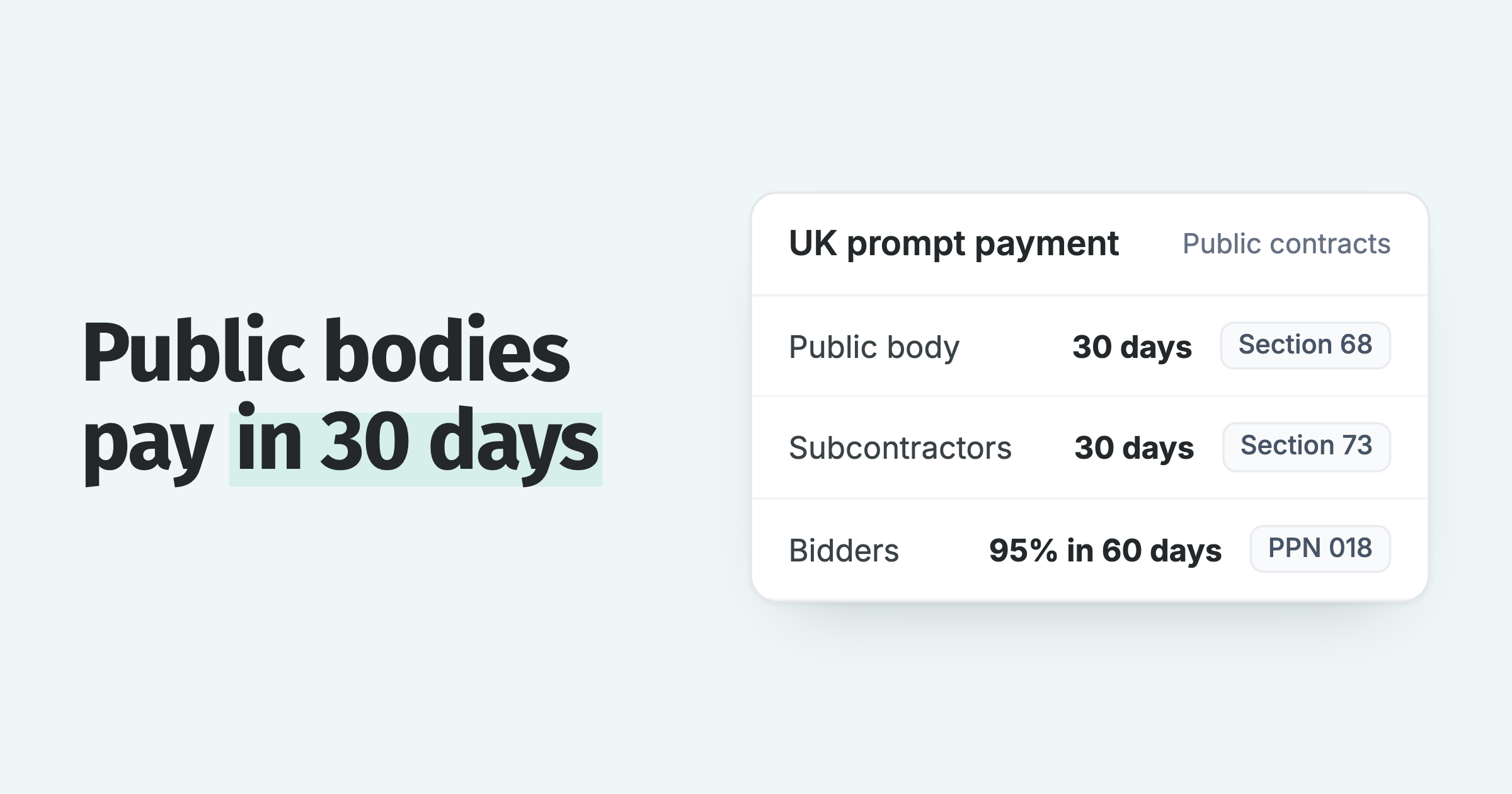
- Payment practices reporting: companies over two of three thresholds (£54m turnover, £27m balance sheet, 250 employees) publish how fast they pay suppliers every six months. It is an accounts payable duty, but your customers' reports show you how fast they pay. See GOV.UK reporting guidance.
A large customer's published report is a free credit signal: check its average days to pay before you set its credit limit. See our UK prompt payment policy guide.
How does NetSuite OneWorld handle a UK group's receivables?
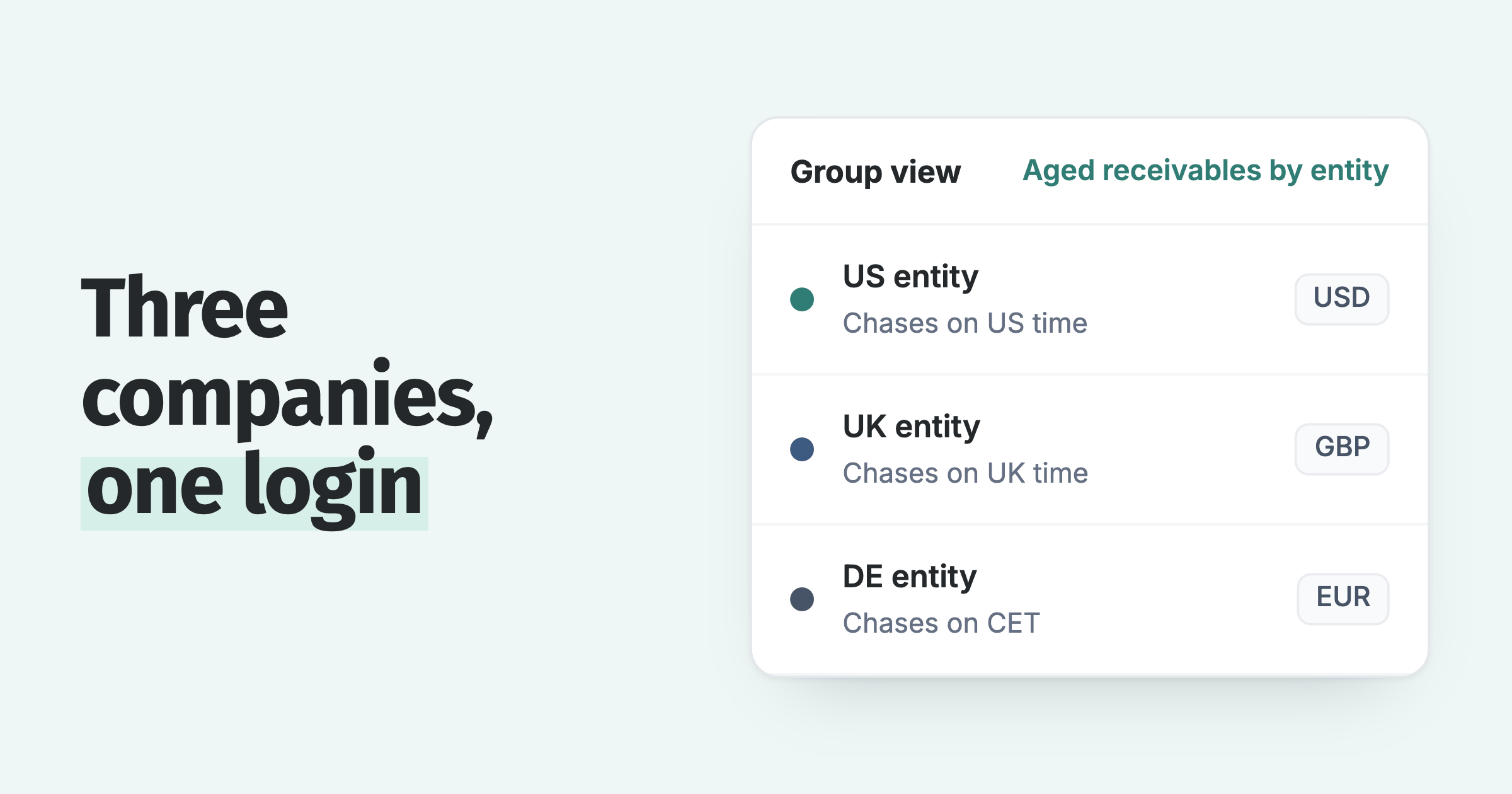
NetSuite OneWorld runs a UK parent with EU or US subsidiaries in one account, each in its own currency. Dunning compares amounts in the invoice's own currency, and a customer shared across subsidiaries gets one statement per subsidiary on dunning.
A customer shared across subsidiaries keeps a separate balance for each one. The Subsidiaries subtab on the customer record shows a Balance and an Unbilled Orders field per subsidiary, converted into the customer's primary currency, so a euro invoice from an Irish subsidiary shows in pounds for a customer whose primary currency is GBP. Source: Oracle, customer balances for assigned subsidiaries.
For a UK group, decide which subsidiary chases which customer before you switch on automation. Our NetSuite OneWorld collections guide covers the customer setup.
What does one late UK invoice cost to chase in NetSuite?
A £14,600 invoice 20 days overdue needs four manual steps in NetSuite alone, and statutory interest on it is about £94 plus the £100 fixed sum. The invoice is on 30-day terms, and the customer replies: "Paying on the 28th, sorry for the delay." The statutory rate for 1 July to 31 December 2026 is 11.75% a year (3.75% base rate plus 8%).
| Step | In NetSuite alone | With Paidnice on NetSuite |
|---|---|---|
| The reminder | A dunning letter goes at the next scheduled evaluation, if you bought the SuiteApp | Email and SMS go on the policy's day |
| The reply | Lands in the shared mailbox; someone reads it and ticks Pause Dunning | Paidnice reads it, logs the 28th as the promised date and holds the chase |
| The 28th passes unpaid | Someone has to remember to clear the pause | The chase resumes after the promised date |
| Interest | Someone checks the rate, runs Assess Finance Charges and adds the £100 | About £94 interest (£14,600 × 11.75% × 20 ÷ 365) plus the £100 fixed sum, posted as one NetSuite invoice |
| The payment | Applied as a Customer Payment; the invoice drops out at the next evaluation | Applied in NetSuite; the chase stops at the next sync |
Whether you charge interest is your call: you may waive it for a customer who pays on the promised date. Paidnice lets you raise the charge as a draft (Pending Approval) for a person to approve first.
When should a UK finance team add an AR tool to NetSuite?
A UK finance team should add an AR tool to NetSuite when the work after the send takes more time than the send itself. The Dunning Letters SuiteApp tops out at 15 levels and 100 letters at one time per queue, and it does nothing with a reply. Five signs show you are there:
- A spreadsheet sits beside the A/R Aging report to track who promised what, because Oracle documents no NetSuite field for a payment promise.
- Pause Dunning boxes stay ticked for weeks, because NetSuite never clears a pause by itself.
- You never charge statutory interest, even though the rate to 31 December 2026 is 11.75% a year, because Assess Finance Charges is a manual run.
- Customer replies wait days in a shared mailbox, because Oracle's dunning pages describe no reply handling.
- One credit controller holds the whole process, so collections stop when that person is on leave.
How does Paidnice automate NetSuite accounts receivable for UK teams?
Paidnice automates the jobs NetSuite leaves after the send: reminders, UK statutory interest, statements, replies and escalations, on the Custom plan. The connection follows the integration pattern NetSuite recommends: an integration record, a dedicated role and OAuth 2.0 sign-in, all set up in your account.
- Reminders: email and SMS from a UK number, sent from your own domain, by customer group. Paidnice can replace the Dunning Letters SuiteApp.
- Statutory interest: a Bank of England base rate toggle, locked for each six-month period or followed as it changes. The £40, £70 or £100 goes on as a fixed fee line, and the charge posts to NetSuite as an invoice.
- Replies: Paidnice uses AI to read each reply, log a promised date and draft the answer for a person to approve.
- Payments: a Pay now link on every reminder and statement, with card and Bacs Direct Debit through Stripe.
- Posted letters: overdue letters and letters before action printed and posted for £1.50 each in the UK.
- Credit checks: credit checks through your Creditsafe API connection, on the Custom plan.
Customers, contacts, invoices, Customer Payments, Credit Memos and custom fields sync both ways, and NetSuite OneWorld subsidiaries are supported. A payment applied in NetSuite stops the chase at the next sync. Only Open invoices are chased.
The first reminder does the most work. Against no reminder, the first overdue reminder is followed by about 19 more invoices in every 100 paid within 7 days, the second about 12 more, and later ones 3 to 7 more.
An implementation specialist sets up the connection with you. Custom is quoted for your setup: the ERP connection, your invoice volume and support. There are no plan limits, and it is never priced by your revenue. See Paidnice for NetSuite.
Frequently asked questions
Can NetSuite be used for accounts receivable?
Yes. NetSuite's accounts receivable covers invoicing, VAT, Customer Payments, Credit Memos, credit limits and A/R Aging reports. Automated dunning needs the paid Dunning Letters SuiteApp.
How do you automate the accounts receivable process in NetSuite?
Automate invoicing with billing schedules, reminders with the Dunning Letters SuiteApp or an AR tool, and cash application with Customer Payments and bank matching rules. Then automate the follow-up: replies, interest and escalation.
Does NetSuite charge UK statutory interest automatically?
No. NetSuite's finance charge uses one annual rate that someone runs manually. It does not follow the Bank of England base rate or add the £40, £70 and £100 fixed sums.
Can NetSuite collect payments by Direct Debit in the UK?
Not from the Payment Link, which Oracle says takes cards and PayPal. Direct Debit needs a bank file or a payment provider. Paidnice takes Bacs Direct Debit through Stripe on its pay page.
Does NetSuite send SMS payment reminders?
Oracle documents no built-in SMS for invoices. Add a SuiteApp, script a gateway, or use an AR tool. Paidnice sends SMS from a UK number on NetSuite.
Does Paidnice work with NetSuite for UK companies?
Yes, on the Custom plan, with a two-way sync, OneWorld support and UK statutory interest. An implementation specialist sets up the connection.
Does NetSuite include a collections worklist?
No. Collectors work from A/R Aging, saved searches and collection letters. Buying the Dunning Letters SuiteApp brings procedures, levels and a Dunning Dashboard, but still no task list per collector.
How much does the NetSuite Dunning Letters SuiteApp cost?
Oracle publishes no price. Your Oracle account manager quotes it, so ask them.
Does a disputed invoice stop NetSuite dunning letters?
Not by itself. A person ticks Pause Dunning on the invoice or the customer record and chooses a pause reason. Untick it and NetSuite evaluates straight away, so a letter can go out within the minute.
Which AR tools work with NetSuite and Stripe?
Paidnice connects to NetSuite on the Custom plan and takes card and Bacs Direct Debit payments through Stripe. A payment applied in NetSuite stops the chase at the next sync.
Paidnice features in this article
About the editorial team
Ashley is a co-founder and lead developer of Paidnice and has built accounting software for more than 10 years. He builds the ledger connections that put reminders, late fees and payments into Xero, QuickBooks and ERPs such as NetSuite and Business Central. Before Paidnice he co-founded A2X, ecommerce accounting software for Xero and QuickBooks.
 App of the Year